If you want a Los Angeles neighborhood that feels polished, residential, and connected to everyday conveniences, Studio City usually ends up on the short list. You may be wondering whether it really lives up to the reputation, especially if you want a strong neighborhood feel without giving up access to dining, trails, and commuter routes. This guide will help you understand how Studio City looks, feels, and functions day to day so you can decide if it fits the way you want to live. Let’s dive in.
Where Studio City Sits
Studio City is in the southeast San Fernando Valley within the City of Los Angeles. City planning materials describe the neighborhood as stretching from Lankershim Boulevard on the east to Fulton Avenue on the west.
Its identity is closely tied to the historic studio lot now known as Radford Studio Center, along with Ventura Boulevard and access to the Los Angeles River Greenway. That mix gives Studio City a character that feels distinctly local while still being connected to the broader Los Angeles area.
What Studio City Feels Like
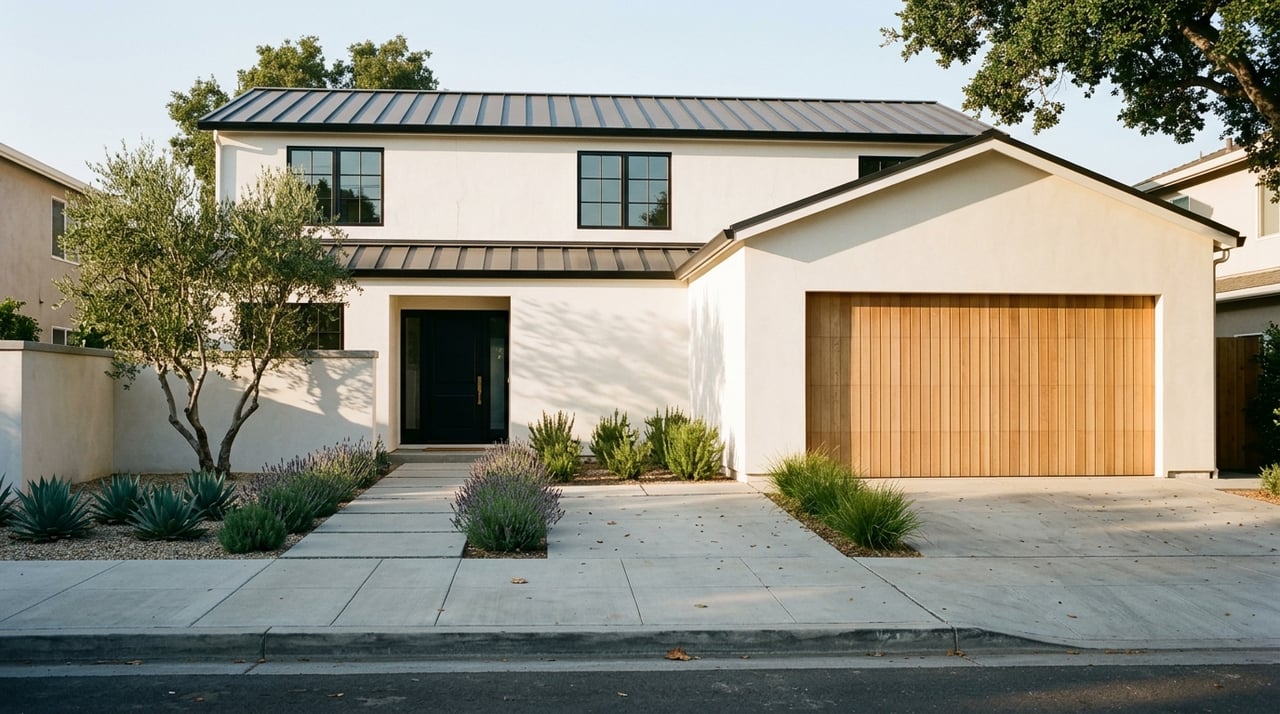
Studio City has a residential feel that stands out in Los Angeles. Away from the main commercial corridors, the neighborhood is mostly low-rise and suburban in form, with single-family homes shaping much of the streetscape.
At the same time, it does not feel sleepy or disconnected. You still get a real neighborhood core, especially around Ventura Boulevard, where shops and restaurants create a steady rhythm of activity.
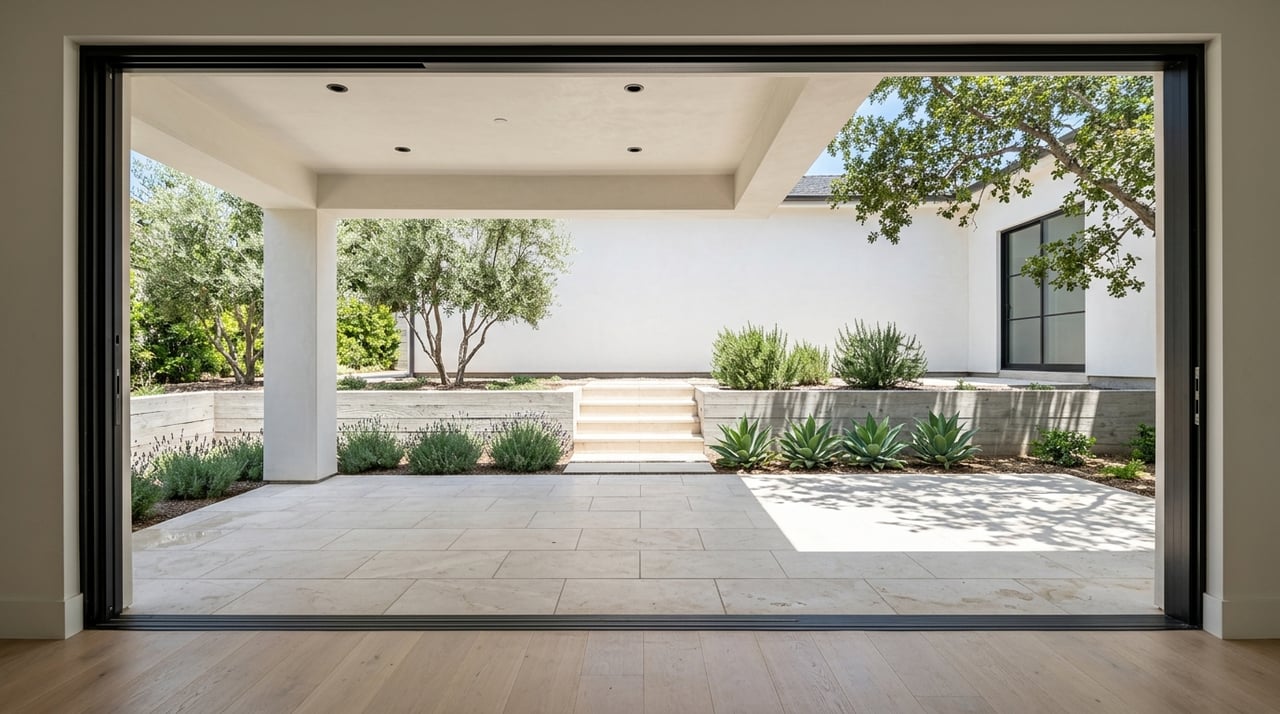
One of the reasons people are drawn to Studio City is that it balances convenience with breathing room. You can have access to errands, dining, and outdoor spaces without feeling like you are in a fully urban environment.
Ventura Boulevard Sets the Tone
The heart of Studio City is its commercial district along Ventura Boulevard. The city describes this stretch, roughly between Laurel Canyon Boulevard and Whitsett Avenue, as primarily one-story retail storefronts set at the sidewalk with wide sidewalks, mature palms, and a pedestrian-scale character.
That design matters because it shapes how the neighborhood feels in real life. This is the part of Studio City where grabbing coffee, running errands, or meeting friends for a meal feels easy and connected.
If you are looking for the most walkable pocket of the neighborhood, this is usually it. The broader area still leans car-oriented, but Ventura Boulevard gives Studio City a central gathering place that many Los Angeles neighborhoods do not have in the same way.
Homes and Neighborhood Character
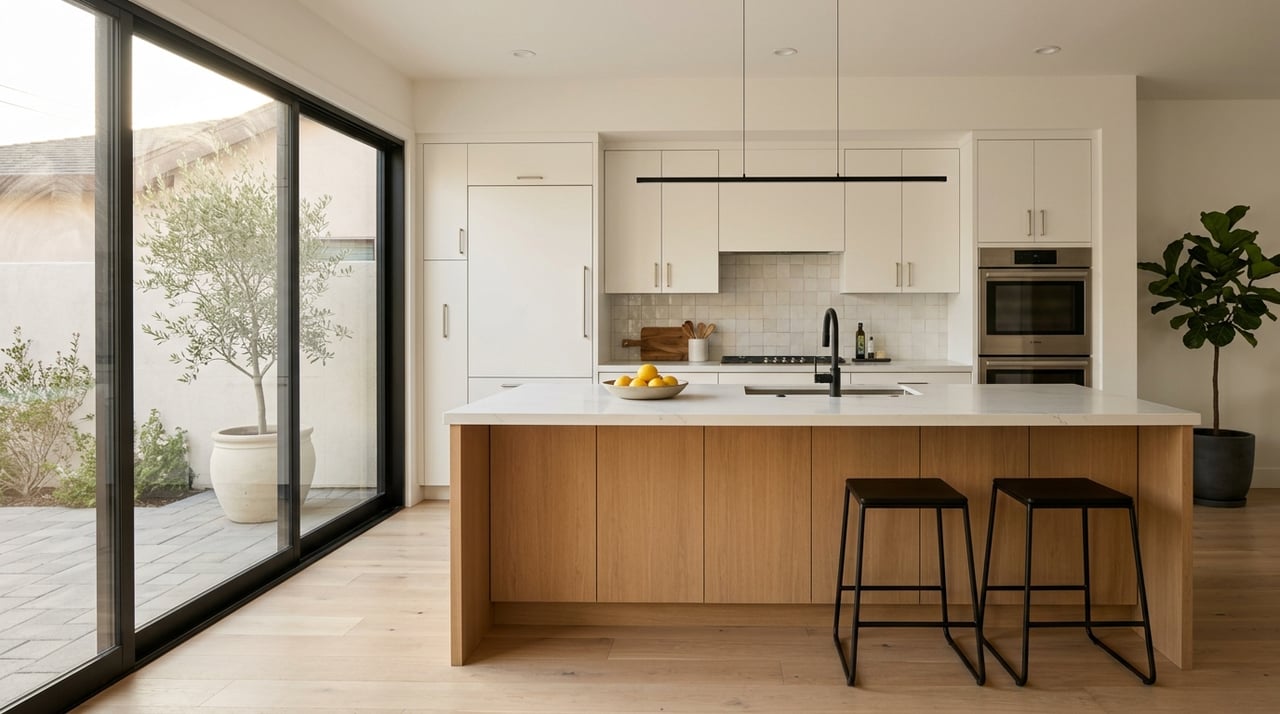
Studio City offers a mix of housing types, but single-family homes dominate away from the main corridors. There are also multi-family pockets along Moorpark Street, which adds some range to the neighborhood’s housing pattern.
The area also has older architectural character woven into its identity. Historic records identify the Agnes Avenue Residential Historic District as a collection of American Colonial Revival single-family homes built in 1937 and 1938, and the broader plan area also includes rare 1930s bungalow-court examples.
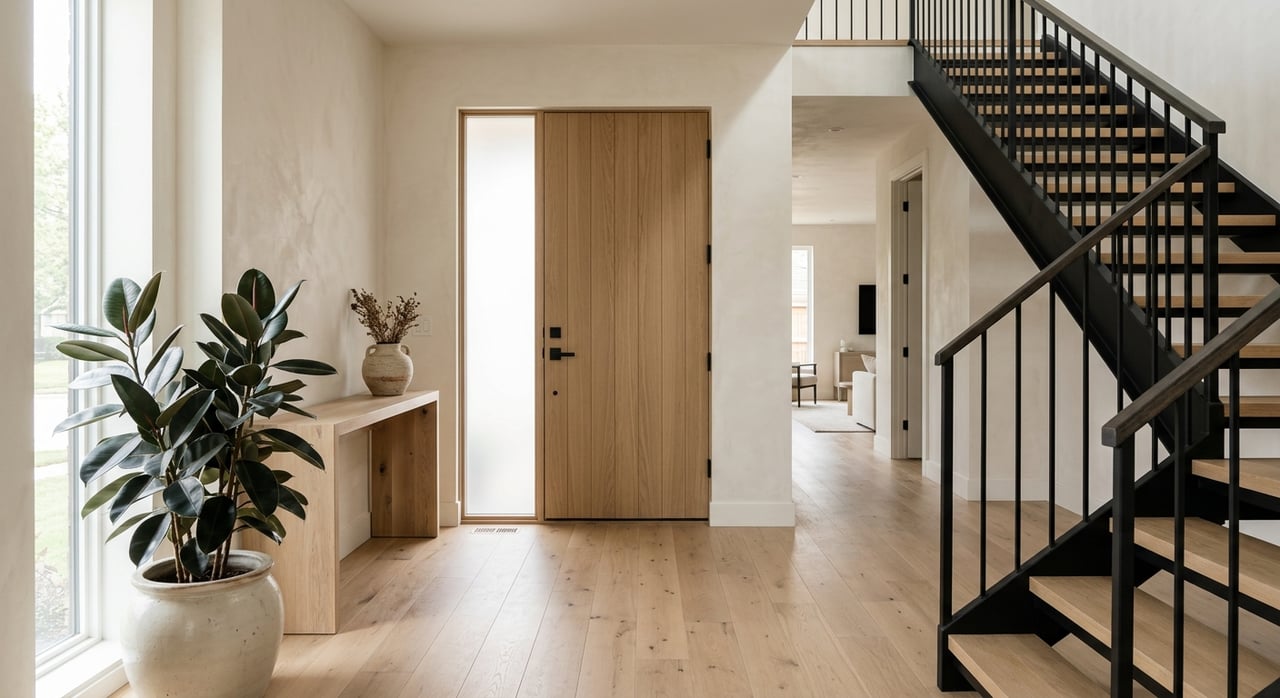
That means Studio City is not defined by just one housing era. You will find a blend of preserved older character, updated homes, and more contemporary expectations, which is part of what keeps the neighborhood visually interesting.
What Homes Cost in Studio City
Studio City sits in the premium tier of the San Fernando Valley market. Recent market trackers report a median sale price of about $1.78 million over the last three months, while median listing prices have been reported near $2.3 million.
Those numbers come from different sources and measure different things, so they are not identical. Still, they point to the same conclusion: Studio City is a high-price neighborhood relative to many other Valley communities.
If you are buying here, it helps to go in with clear expectations around pricing and competition. If you are selling, the neighborhood’s pricing strength can create real opportunity when your preparation, presentation, and negotiation strategy are handled well.
Everyday Amenities You Will Actually Use
A big part of living in Studio City is how usable the neighborhood feels. It is not just about home styles or sale prices. It is about whether the area supports your day-to-day routine.
The Studio City Branch Library on Moorpark Street is a good example. It offers a parking lot, bike rack, Wi-Fi, public computers, self-checkout, wireless printing, an EV charging station, and regular programming, which gives it a real community-hub role.
The Studio City Recreation Center on Rye Street adds another practical layer. It includes a lighted baseball diamond, basketball courts, picnic tables, outdoor fitness equipment, tennis courts, barbecue pits, an auditorium, and a children’s play area. As of June 2026, the building is closed for refurbishment, but the amenities remain open.
These kinds of neighborhood anchors matter because they support more than just convenience. They help create a place where routines feel grounded and local.
Weekend Life in Studio City
Studio City tends to shine on weekends. You have enough nearby options to keep things easy without needing to over-plan your day.
The Studio City Farmers Market is one of the neighborhood’s best-known Sunday rituals. It runs from 8 a.m. to 1 p.m. on Ventura Place between Radford Avenue and Laurel Canyon Boulevard and features locally grown produce, artisanal foods, and a children’s section, with free parking available at Radford Studio Center’s Sater Parking Garage.
That market helps reinforce the neighborhood feel people often talk about when they describe Studio City. It is the kind of weekly event that can become part of your regular routine rather than a once-in-a-while outing.
You can also easily build a weekend around Ventura Boulevard, whether that means breakfast, errands, and a walk, or a more relaxed afternoon close to home. For many buyers, that rhythm is a big part of the appeal.
Outdoor Access Is a Major Draw
If you want easier access to nature without leaving Los Angeles, Studio City has a strong case. Outdoor options are one of the neighborhood’s most appealing lifestyle features.
Wilacre Park, in the eastern Santa Monica Mountains, is a 128-acre trailhead that connects to the Betty B. Dearing Trail. It is described as popular with hikers and dog walkers, especially on weekends.
Fryman Canyon Park adds views, a fitness course, and access to the Betty B. Dearing Cross Mountain Trail. These spots give you a practical way to fit outdoor time into your week without needing a long drive.
The Zev Yaroslavsky L.A. River Greenway Trail offers a different kind of outdoor experience. It is a half-mile walking path in Studio City that is popular with walkers and joggers and helps bring native habitat back to the river edge.
Commuting and Getting Around
Studio City is not a car-free neighborhood, and it is best to be realistic about that. Metro service is available through the Universal/Studio City station area, which is served by the Metro B Line and local bus routes.
Still, the area remains heavily auto-oriented in practice. Metro’s half-mile station-area analysis shows 73.4 percent drive alone, 6.6 percent use public transit, 5.3 percent carpool, and 2.7 percent walk.
That does not mean transit is irrelevant. It means transit can be useful, but most daily routines in Studio City still work best when you have a car.
For many people, that balance is perfectly workable. You get a neighborhood core that is convenient and pedestrian-scaled in parts, while still operating like a classic Los Angeles neighborhood in the bigger picture.
Is Studio City a Good Fit for You?
Studio City often appeals to buyers who want a residential setting with a polished feel and strong local amenities. If you like the idea of a neighborhood with a clear commercial core, nearby trails, and a mix of older character and updated homes, it checks a lot of boxes.
It can also work well if you want access to everyday conveniences without living in a dense urban setting. The tradeoff is that pricing is premium, and most trips still tend to be easier by car.
For buyers comparing Valley neighborhoods, Studio City stands out because it feels neighborhood-centric. Its entertainment history, low-rise housing pattern, Ventura Boulevard core, and access to both mountain trails and the river corridor give it a distinct identity.
If you are weighing a move to Studio City or planning a sale here, local strategy matters. The right guidance can help you judge value, understand how one block may differ from another, and make stronger decisions in a premium market. When you are ready to talk through Studio City from a buyer or seller perspective, connect with Mario Acosta.
FAQs
What is Studio City like for daily living?
- Studio City offers a residential feel with everyday conveniences centered around Ventura Boulevard, the local library, recreation center, and nearby outdoor spaces.
Is Studio City walkable for errands and dining?
- The Ventura Boulevard core is the most walkable part of Studio City, but the neighborhood overall still functions more like a car-oriented Los Angeles area.
What types of homes are common in Studio City?
- Single-family homes are the dominant housing type away from the main corridors, with some multi-family pockets and a mix of older and updated housing styles.
How expensive is Studio City real estate?
- Recent market data places Studio City in the premium range, with a reported median sale price around $1.78 million and a median listing price near $2.3 million.
Does Studio City have parks and outdoor trails?
- Yes. Studio City has access to Wilacre Park, Fryman Canyon Park, and the Zev Yaroslavsky L.A. River Greenway Trail for hiking, walking, and jogging.
What are some popular weekend activities in Studio City?
- Many residents enjoy the Studio City Farmers Market on Sundays, time on Ventura Boulevard, canyon hikes, and walks along the river greenway.
Are there public schools near Studio City?
- Nearby public-school options include Carpenter Community Charter in Studio City and Dixie Canyon Community Charter in neighboring Sherman Oaks.
Is Studio City good for commuters?
- Studio City has Metro access through the Universal/Studio City station area, but most commuting patterns in the area still lean heavily toward driving.