If you are selling in Studio City, small prep decisions can move very large dollars. In a market where home values sit firmly in seven-figure territory and homes often sell close to list price rather than far above it, your goal is not to do everything. Your goal is to do the right things in the right order so you protect value, reduce buyer objections, and keep your timeline on track. Let’s break down a smart Studio City prep plan.
Why prep matters in Studio City
Studio City is a high-value market, but that does not mean buyers ignore condition. Public market trackers show typical home values around $1.59 million, median sale prices ranging from about $1.79 million to $2.30 million depending on the source, and time on market that can stretch from roughly 45 to 55 days.
That matters because buyers in this price range tend to compare presentation closely. When homes are selling at about 98% of list price or around 1% below list on average, condition, pricing, and photo quality can all affect what you ultimately net.
Studio City also has an older housing mix, with a median year built of 1957. Many homes have character features, open layouts, large glass lines, and Spanish or Mediterranean influences, so the best prep plan usually updates the look without stripping away the style that makes the property appealing.
Start with value protection
Before you think about paint colors or new hardware, deal with anything that could hurt financing, appraisal, inspections, or insurance. Zillow’s 2025 seller survey found that failed offers were often tied to money or financing issues, lower appraisals, and inspection problems. In California, many sellers with failed offers also blamed the buyer’s inability to secure homeowner’s insurance.
That is why your first prep dollars should go toward items that protect the transaction, not personal taste. If a buyer sees deferred maintenance, visible defects, or questionable past work, you may create friction that costs you negotiating leverage later.
Fix these items first
- Safety concerns
- Water intrusion or active leaks
- Roof issues that are visibly unresolved
- HVAC, electrical, or plumbing problems
- Damaged windows or doors
- Dry rot, cracked trim, or visible exterior deterioration
- Broken fixtures, non-working appliances, or obvious deferred maintenance
- Questions around unpermitted work or undocumented alterations
In Los Angeles, the Los Angeles Department of Building and Safety says permits are required for private-property construction, alteration, or repair work, and permit and inspection records can become important when you sell or refinance. If you changed the floor plan, added space, or completed major work in the past, it is smart to check what documentation you have before listing.
Check permits before major work
Many sellers are tempted to rush into improvements without reviewing the paper trail. That can backfire if a buyer later asks about additions, structural changes, or prior remodels.
If you are unsure whether past work was properly permitted, address that question early. You do not need to over-improve the property, but you do want to avoid surprises that weaken confidence once you are under contract.
Work that deserves extra review
- Additions or enclosed patios
- Garage conversions
- Interior wall removals
- Major kitchen reconfigurations
- Added bathrooms
- Structural changes
This is where a process-driven listing plan matters. The strongest prep strategy is not just about making the home look better. It is about reducing avoidable issues before buyers, inspectors, appraisers, and insurers start reviewing the property.
Skip the full remodel trap
If your listing date is near, a major remodel is often the wrong move. Pacific region cost-versus-value data shows a major kitchen remodel recoups 67.8%, while a minor kitchen remodel recoups 134.3%. An upscale primary suite addition recoups only 36.4%.
The message is simple. If your goal is to maximize sale price and net proceeds, refreshes often beat rebuilds.
Better pre-listing investments
- Minor kitchen refresh instead of a full gut remodel
- Bathroom touch-ups instead of adding square footage
- Entry and curb appeal improvements
- Light fixture and hardware updates
- Fresh paint and repaired trim
For many Studio City sellers, the best return comes from making the home feel bright, cared for, and current, not brand new.
Focus on high-impact cosmetic updates
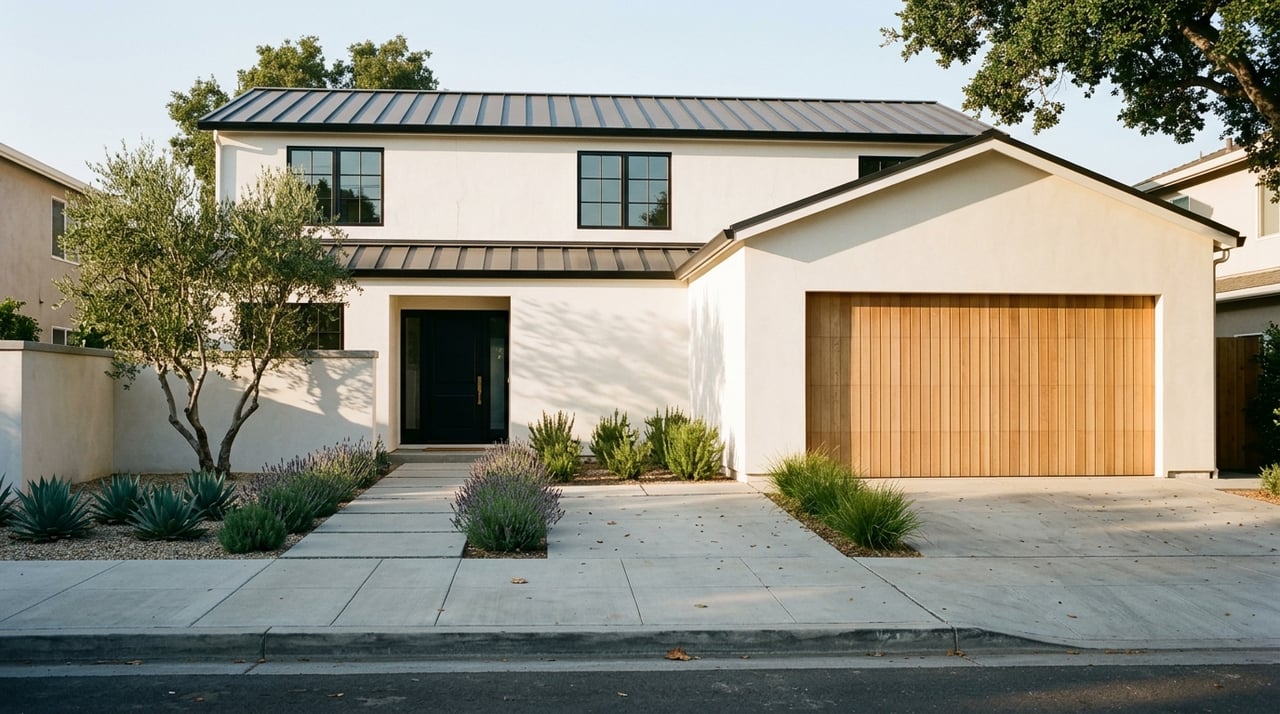
Once the house is mechanically and legally clean, shift to cosmetics buyers notice immediately. In the Pacific region, visible curb-facing projects perform especially well, including garage door replacement, steel entry door replacement, and manufactured stone veneer.
That does not mean every Studio City seller should start replacing everything at the front of the house. It means first impressions matter, especially in photography and at the showing.
Cosmetic upgrades that often make sense
- Neutral interior paint
- Touch-up paint on baseboards and trim
- Updated cabinet hardware
- New or cleaned light fixtures
- Re-caulked baths and showers
- Fresh grout where needed
- Clean, repaired flooring
- Spotless windows and glass doors
- Refreshed front door and entry area
If your home has original character, preserve it. Buyers are often drawn to details that feel authentic, but they still want the home to read as clean, maintained, and move-in ready.
Stage for how buyers shop
Staging matters because buyers often form opinions from photos before they ever book a showing. The National Association of Realtors reported that 83% of buyers’ agents believe staging makes it easier for buyers to visualize a home as a future home.
The same report found that listing photos were rated as one of the most important listing assets, followed by physical staging, video, and virtual tours. In other words, prep is not separate from marketing. Prep is what makes marketing work.
Rooms to prioritize first
According to the 2025 staging data, the most important rooms to stage are:
- Living room
- Primary bedroom
- Kitchen
- Dining room
If your budget is limited, start there. Those rooms tend to carry the emotional weight of the listing and show up repeatedly across online photos, in-person walk-throughs, and buyer memory.
Use an occupied-home checklist
If you are still living in the home, you do not need perfection. You need discipline. NAR reports that the most common seller prep recommendations are decluttering, whole-home cleaning, and improving curb appeal.
That gives you a simple framework for occupied-home selling in Studio City.
Your occupied-home prep checklist
- Remove excess furniture to open sightlines
- Clear kitchen and bath counters
- Pack personal photos and small decor
- Hide pet items, cords, and everyday clutter
- Deep-clean floors, windows, mirrors, and glass doors
- Organize closets to show usable storage
- Freshen bedding and towels
- Clean up the front walkway and entry
- Trim landscaping and remove dead plants
- Keep outdoor seating areas simple and inviting
When buyers walk in, you want the home to feel calm, spacious, and easy to understand.
Tailor prep to the property type
Not every Studio City listing should be prepped the same way. The strongest strategy depends on what the property needs to communicate to the buyer.
Single-family homes
Show the flow from the entry to the living room, kitchen, and outdoor areas. If the home has character details, clean and highlight them. If it has indoor-outdoor living potential, make that transition easy to see.
Condos and townhomes
Focus on scale, openness, and function. Reduce visual clutter, use lighter furnishings where possible, and make each room feel purposeful. Buyers need to understand how the home lives.
Hillside or view properties
Keep windows, decks, terraces, and sightlines clear. In these homes, the view is part of the value story. Your prep should make sure nothing competes with it.
Build your budget around net proceeds
A smart prep budget answers one question: will this help you sell stronger, faster, or with less friction? If the answer is no, it may not belong in your pre-listing plan.
This is especially important in a market like Studio City, where buyers are spending serious money and tend to notice details. The right improvements can support better offers and smoother negotiations. The wrong ones can eat into your proceeds without adding enough value back.
A simple decision filter
Before spending money, ask:
- Will this reduce inspection, appraisal, or insurance concerns?
- Will buyers notice it quickly in photos or showings?
- Will it help the home feel cleaner, brighter, or better maintained?
- Is the likely return better than keeping the cash in your pocket?
If a project does not clear those tests, skip it or reconsider the scope.
Why pricing and prep should happen together
Prep decisions should never happen in a vacuum. A refresh that makes sense for one Studio City property may be unnecessary for another depending on location, lot, view, condition, and likely buyer expectations in that price band.
That is why the smartest next step is usually a valuation before you commit to the work. Once you understand your likely price range, you can judge each repair or upgrade against what it may do for your net proceeds, not just how it looks.
A strong listing strategy is part presentation and part negotiation. The preparation creates confidence. The pricing creates traction. The negotiation protects your leverage once offers start coming in.
If you want a clear plan for what to fix, what to skip, and how to position your Studio City home for the strongest possible result, connect with Mario Acosta for a free home valuation and pre-listing strategy.
FAQs
What should I fix first before selling a home in Studio City?
- Start with safety, visible defects, maintenance issues, and any work that could raise inspection, appraisal, permit, or insurance concerns.
Should I remodel my Studio City kitchen before listing?
- Usually, a minor kitchen refresh is a better pre-listing investment than a major remodel when your goal is maximizing net proceeds.
Do I need staging if I still live in my Studio City home?
- Yes, occupied homes still benefit from decluttering, deep cleaning, and focused staging in the living room, primary bedroom, kitchen, and main entry areas.
How important is curb appeal for a Studio City listing?
- It is very important because buyers often form first impressions from exterior photos, the front entry, and the overall condition they see before walking inside.
Should I worry about permits when selling a Studio City home?
- Yes, especially if the home had additions, layout changes, or major repairs, because permit and inspection records can become important during a sale.
Is a home valuation the right first step for a Studio City seller?
- Yes, because prep decisions make the most sense when you first understand your likely price range and which improvements may actually support a stronger net result.