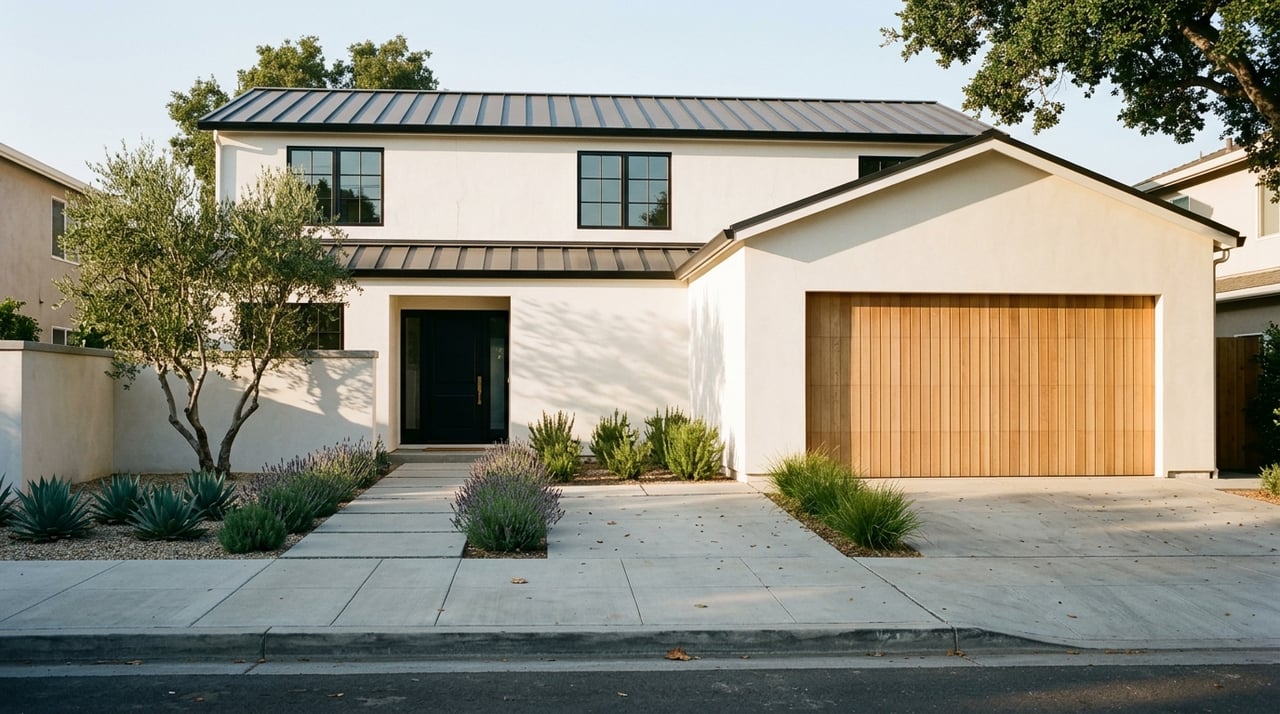
If you are deciding between the Studio City hills and the flats, you are really choosing between two very different daily routines. One side tends to offer more privacy, views, and a tucked-away feel, while the other puts you closer to Ventura Boulevard, parks, and transit. If you want to make a smart move in Studio City, it helps to understand how the area is officially planned and how that affects real life on a street-by-street basis. Let’s dive in.
Why the hills-versus-flats choice matters
Studio City is not just one uniform neighborhood. In the broader Sherman Oaks, Studio City, Toluca Lake, and Cahuenga Pass community plan area, the City of Los Angeles identifies multiple subareas with distinct identities.
That matters because the city also separates the Ventura and Cahuenga Boulevard corridor from the Mulholland Scenic Parkway for different planning goals. The corridor is tied to circulation, pedestrian activity, and congestion, while the scenic parkway focuses on preserving views, scenic features, and minimizing grading. In simple terms, the hills and the flats are shaped by different priorities from the start.
Studio City flats: convenience first
If your top priority is easy day-to-day living, the flats may be the better fit. The flatter blocks near Ventura Boulevard connect more directly to the neighborhood’s commercial core, where Studio City’s historic development pattern first took shape.
Planning documents describe Ventura-adjacent properties as a mix of pedestrian-oriented storefronts and office buildings. The city’s corridor planning goals also aim to support pedestrian activity and reduce traffic congestion, which helps explain why the flats often feel more practical for errands, dining, and short trips.
What life in the flats can feel like
The flats tend to work well if you want simpler access to the places you use most often. Rather than navigating steeper roads and more site-specific layouts, you are generally closer to the neighborhood grid and the Ventura spine.
For many buyers, that translates into easier routines such as:
- Quick trips for coffee, groceries, and dining
- More direct access to Ventura Boulevard services
- Easier connections to parks and recreation
- Better access to transit options for some commutes
Parks and transit in the flats
The flatter side of Studio City also concentrates several everyday amenities. Studio City Recreation Center lists tennis, basketball, a children’s play area, picnic tables, and outdoor fitness equipment.
Transit access is another practical advantage. Universal/Studio City Station is served by the Metro B Line and local bus service, which can matter if you want to rely less on your car for certain trips.
Studio City hills: privacy, views, and tradeoffs
If you are drawn to hillside living, the appeal is usually clear right away. Buyers often look to the hills for valley views, more separation from busy corridors, and homes designed around the shape of the land.
The tradeoff is that hillside buying usually requires more due diligence. The city’s hillside standards rely on slope analysis, and in applicable cases require at least a 9-foot access driveway and a compliant continuous paved roadway to the hillside boundary. That means access, grading, and lot usability can vary more from property to property than they do in the flats.
What life in the hills can feel like
The hills often suit buyers who want a more tucked-away residential setting. In these areas, homes are more likely to be adapted to sloping sites rather than built on conventional subdivision lots.
That can create a very different ownership experience, including:
- More privacy from major corridors
- Greater likelihood of view-oriented homes
- More site-specific design and lot conditions
- More attention needed for driveway access and grading
Trail access and scenic appeal
The hillside side of Studio City connects closely to some of the area’s well-known outdoor spaces. The Nancy Hoover Pohl Overlook offers valley views, a fitness course, and access to Fryman Canyon, Coldwater Canyon Park, Wilacre Park, and the Betty B. Dearing Mountain Trail.
If hiking access and scenic surroundings are high on your list, that can make the hills especially appealing. For some buyers, that outdoor access is a deciding factor.
Hillside due diligence is more property-specific
One of the biggest differences between the hills and flats is how much a single parcel can change the equation. In hillside areas, two homes that seem close together can have very different access, grading, and design constraints.
That is why broad neighborhood headlines are not enough. On the hillside side of Studio City, parcel-specific factors can have a bigger effect on property value, the right comparable sales, and the right offer strategy.
Fire readiness matters in the hills
Fire risk is part of hillside decision-making in Studio City. CAL FIRE says fire hazard mapping considers terrain, vegetation, and slope, and notes that fire generally moves faster and more intensely up steep slopes. The Los Angeles Fire Department also says Studio City includes portions of the city’s Very High Fire Hazard Severity Zone.
For buyers, that means hillside due diligence should include questions about defensible space and home-hardening features. This is not just a lifestyle choice. It is also a risk-management issue that should be reviewed early.
How to choose the right side for you
The best choice usually comes down to how you want to live every day. A beautiful view may be worth the extra complexity for one buyer, while another buyer may value easy access to Ventura Boulevard more than privacy or elevation.
A simple way to decide is to rank your priorities before you start touring homes. That keeps you from getting distracted by a property that looks great online but does not fit your routine.
Choose the flats if you value:
- Ventura Boulevard convenience
- Easier errands and short trips
- Access to parks and recreation amenities
- Better connection to transit
- A more conventional neighborhood grid
Choose the hills if you value:
- Valley views
- More privacy
- Trail and scenic access
- A more tucked-away setting
- Unique homes adapted to sloped sites
A quick side-by-side comparison
| Priority | Flats | Hills |
|---|---|---|
| Daily convenience | Stronger fit | More variable |
| Ventura access | Stronger fit | Less direct in many areas |
| Transit access | Stronger fit | More limited in many areas |
| Views | Less likely | More likely |
| Privacy | More variable | Stronger fit |
| Trail access | Moderate | Stronger fit |
| Lot complexity | Typically simpler | Typically more site-specific |
| Due diligence needs | Important | Especially important |
Why street-by-street analysis matters
The city’s planning framework makes one thing clear: Studio City should not be treated as a blanket market. The corridor and scenic parkway are shaped by different goals, and that distinction shows up in daily convenience, lot conditions, and long-term fit.
That is why buyers benefit from looking beyond the ZIP code and focusing on the specific block, access pattern, and property conditions. In Studio City, the right home is not just about price or style. It is also about whether the location supports the way you actually want to live.
If you are weighing Studio City hills versus flats, the smartest next step is to compare homes through the lens of access, daily routine, and property-specific risk, not just curb appeal. For a local, negotiation-focused approach to buying or selling in Studio City, connect with Mario Acosta.
FAQs
What is the main difference between the Studio City hills and flats?
- The hills generally offer more privacy, views, and trail access, while the flats are usually better for Ventura Boulevard convenience, parks, transit, and easier daily routines.
Are Studio City hillside homes harder to evaluate?
- Yes. Hillside properties often require closer review of slope, access, grading, and site-specific conditions, which can affect value and buying strategy.
Are the flats in Studio City better for walkability?
- In many cases, yes. Planning documents describe the Ventura corridor as pedestrian-oriented and focused on circulation and reducing congestion.
Do Studio City hills have wildfire-related considerations?
- Yes. Studio City includes portions of the city’s Very High Fire Hazard Severity Zone, so buyers should review defensible space and home-hardening considerations when evaluating hillside properties.
Is Studio City one uniform market for buyers?
- No. City planning documents distinguish different subareas and separate the Ventura corridor from the Mulholland scenic area, which is why street-by-street analysis matters.