What Stays With the House When You Sell? A Sherman Oaks Home Seller’s Guide
One of the most misunderstood parts of selling a home is figuring out what stays with the property and what the seller is allowed to take after closing. It sounds simple at first, but in real life, this issue creates more confusion and conflict than many homeowners expect.
In Sherman Oaks, where buyers are paying serious money for homes, presentation, upgrades, and lifestyle details matter. That means fixture disputes can become a much bigger issue than sellers realize. A seller may believe, “I paid for that chandelier, so I should be able to keep it.” A buyer may believe, “It was part of the home when I wrote the offer, so it should stay.” And that is exactly where transactions can go sideways.
After years of advising buyers and sellers in Sherman Oaks and the surrounding San Fernando Valley, I can tell you this: one of the smartest ways to protect your sale is to be crystal clear about what is included and what is not before your home ever hits the market. That is one of the strongest takeaways from your original draft, and it is exactly how experienced agents help clients avoid unnecessary disputes.
The general rule: fixtures usually stay with the house
In most residential sales, anything that is attached to the property is generally expected to stay unless it is specifically excluded in writing. That includes items that are bolted, mounted, nailed down, built in, rooted in the ground, or otherwise functioning as part of the home itself.
That is why the safest working rule for sellers is simple: if it looks built in, attached, or intended to remain with the house, assume a buyer may expect it to stay. Your draft makes this principle very clear, and that clarity is important because emotional attachment often causes sellers to misjudge what counts as personal property.
Why this becomes a problem so often
This issue causes confusion because not everything falls neatly into an obvious category. Some things are clearly fixtures. Some things are clearly personal belongings. But many items sit in the middle, especially in higher-end homes where custom upgrades, designer finishes, mounted electronics, built-ins, and specialty outdoor features are part of the appeal.
In Sherman Oaks, where homes often feature upgraded lighting, curated landscaping, custom window treatments, built-in storage, and elevated staging, those gray areas matter. A misunderstanding over one chandelier, mounted television, or custom mirror can create tension that affects inspections, credits, buyer confidence, or even the final walkthrough.
That is why I always advise my clients to think through these questions early, not after the home is under contract.
What usually stays with the house
Here are the items that are commonly expected to remain with the property when they are attached or built in.
Built-in lighting
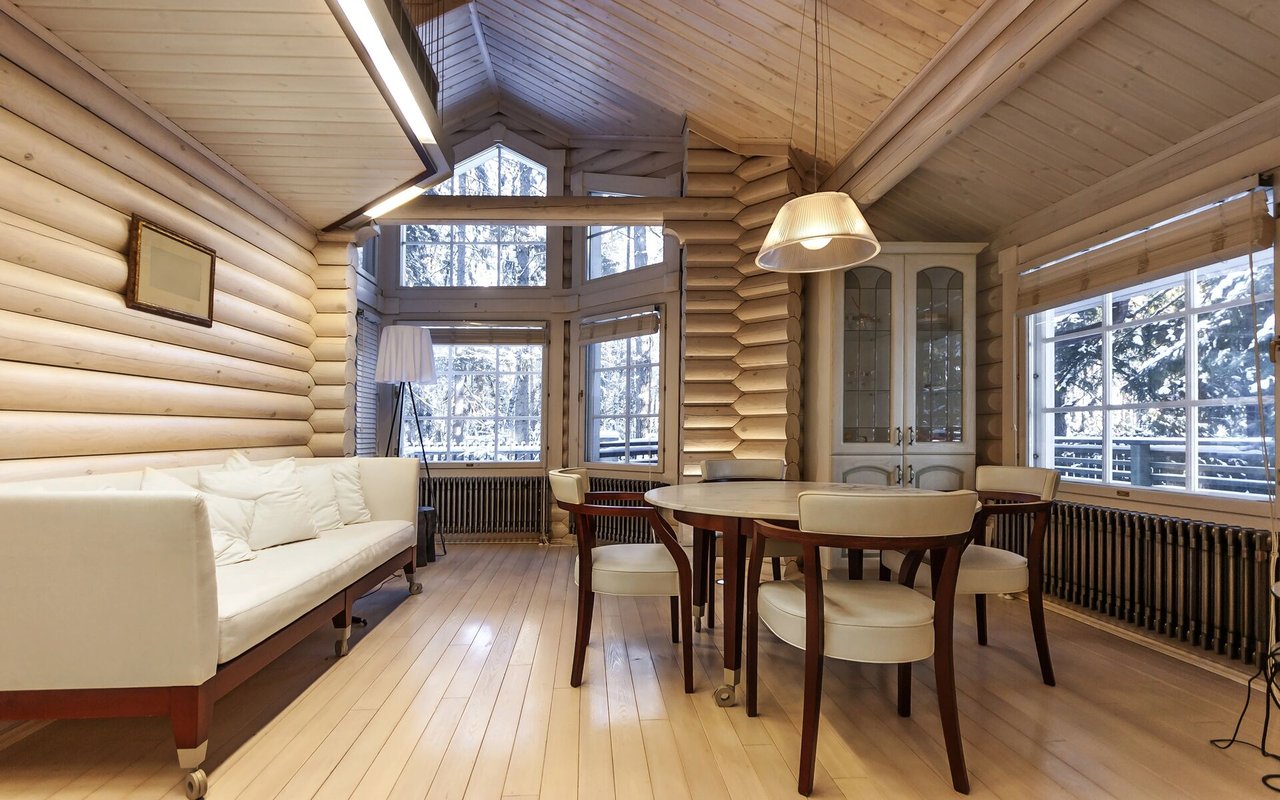
Dining room chandeliers, pendant lights, recessed lighting, sconces, ceiling fans, and installed fixtures are commonly considered part of the property. If a seller wants to keep a fixture with sentimental or designer value, it should be excluded clearly in writing before the buyer assumes it is included. Your source draft makes this point especially well.
Built-in mirrors and mounted pieces
A bathroom mirror attached to the wall, a custom entry mirror bolted in place, or anything fitted specifically to the house is more likely to be treated as part of the property than something simply hung like artwork.
Landscaping and rooted plants
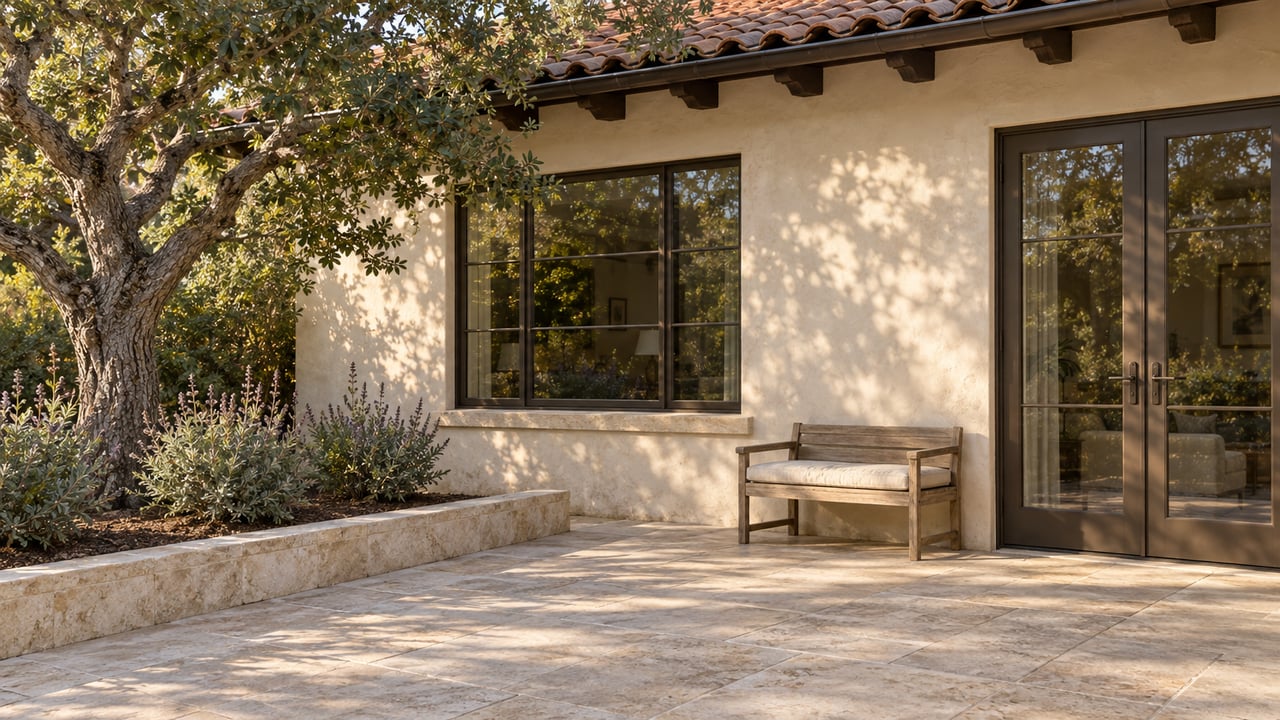
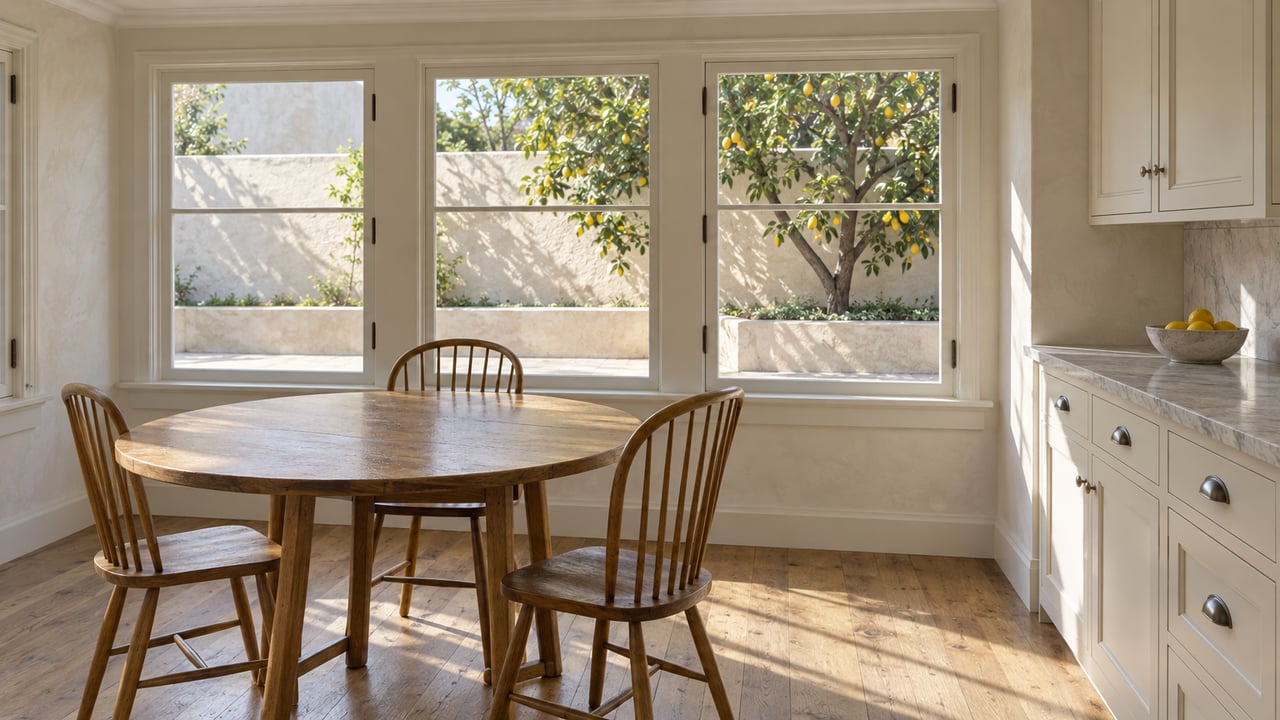
Trees, shrubs, vines, and permanent landscaping generally stay with the property. Buyers often view the exterior presentation of a Sherman Oaks home as part of the total value package, so removing plants or changing the landscaping after contract can create immediate problems.
Attached hardware and built-ins
Cabinet knobs, drawer pulls, bathroom hardware, mounted shelving, storage systems, and built-in cabinetry typically stay because they are part of the structure’s finished presentation. Your original draft correctly points out that these are not items sellers should casually remove during move-out.
Items built into the yard or exterior
Built-in outdoor kitchens, anchored basketball hoops, in-ground improvements, and permanent exterior features are usually expected to stay. In Sherman Oaks, outdoor living is a major selling point, so exterior inclusions and exclusions should be handled with extra care.
What may not automatically stay
Some items are more negotiable and should never be left to assumption.
Refrigerator, washer, and dryer
These are often treated as personal property because they are usually freestanding. Sellers may include them, exclude them, or negotiate them separately. If they matter to the deal, they should be addressed clearly in the contract.
Curtains and drapes
Curtain panels are often considered personal property, while rods, brackets, and blinds are usually treated as attached items that remain. This is one of those details sellers often overlook until the final walkthrough.
Wall-mounted televisions
The television itself is often personal property. The mount may be treated differently depending on how it is attached and what the contract says. Because buyers often assume a mounted TV setup stays intact, this should always be clarified early.
Freestanding outdoor items
Portable spas, patio heaters, movable planters, trampolines, play equipment, and outdoor furniture are generally personal property unless specifically included.
Why the contract matters so much
One of the biggest mistakes sellers make is assuming common sense will be enough. It usually is not.
The contract is what controls expectations. If an item is not clearly addressed and it becomes important later, the disagreement can create stress, delay, and unnecessary negotiation. That is why I help clients identify possible gray areas before listing, not after the buyer has already formed an expectation based on photos, showings, or marketing language.
This is particularly important in Sherman Oaks, where homes are often professionally staged and visually polished. If a listing features a striking chandelier, designer mirrors, custom drapes, mounted televisions, or outdoor entertaining elements, sellers need to decide up front whether those items stay or go.
My advice to Sherman Oaks sellers
If there is anything you definitely want to keep, do one of two things: remove it before the home is photographed and shown, or disclose clearly in writing that it is excluded from the sale.
That includes items like:
heirloom chandeliers
designer mirrors
specialty appliances
custom drapes
mounted televisions
garage cabinetry
valuable garden pots or statues
Sellers should never market a home around an item they already know they do not plan to leave behind.
In higher-end Sherman Oaks listings, this matters even more because buyers are often paying attention to the full presentation package, not just the square footage.
My advice to Sherman Oaks buyers
Buyers should never assume that everything they see is included in the purchase.
If you want a specific refrigerator, washer and dryer set, wall-mounted TV, outdoor heater, mirror, or custom treatment, ask for it directly and make sure it is written into the offer. Smart buyers do not rely on verbal assumptions. They rely on contract clarity.
This is one of the easiest ways to avoid disappointment after inspections and before closing.
Why working with the right local agent matters
This is where local expertise makes a real difference.
An experienced Sherman Oaks agent should be able to spot likely gray areas before they become disputes. That means helping sellers identify exclusions early, helping buyers request the right items clearly, and making sure the marketing, disclosures, and contract terms all align.
In other words, this is not just a legal or paperwork issue. It is a negotiation issue, a presentation issue, and a transaction-management issue. It takes experience to know which details matter, how buyers are likely to interpret what they see, and how to protect both value and momentum in the deal.
That is exactly how I guide my clients in Sherman Oaks: with clear strategy, strong communication, and proactive attention to the details that can make or break a smooth closing.
Bottom line
If you are selling a home in Sherman Oaks, one of the smartest things you can do is decide early what stays, what goes, and what needs to be spelled out in writing. If you are buying, never assume that every item you see is automatically included.
The strongest message in your original draft still holds: buyers and sellers avoid unnecessary conflict when expectations are handled early, clearly, and in writing.
In a market like Sherman Oaks, where presentation, upgrades, and lifestyle features carry real value, that kind of clarity is not just helpful. It is essential.
FAQs
What stays with the house when you sell in Sherman Oaks?
Generally, attached items such as built-in lighting, mounted mirrors, landscaping, hardware, and built-in features are expected to stay unless excluded in writing.
Do refrigerators, washers, and dryers stay with the home?
Not always. These are often considered personal property and should be specifically included or excluded in the contract.
Can a seller remove a chandelier before closing?
Only if it was excluded clearly in writing or removed before marketing. Otherwise, buyers may reasonably expect it to stay with the home.
Do plants and landscaping stay with the house?
Usually yes, especially if they are planted in the ground and part of the property’s landscaping.
Why do fixture disputes happen so often in real estate?
Because sellers and buyers often make different assumptions about what is included, especially when items are attached, customized, or shown prominently during marketing and showings.