Should You Buy a Historic Home in Los Angeles?
Buying a historic home in Los Angeles can be one of the most rewarding moves a buyer makes — but it can also be one of the most complex.
There is no question that historic homes offer something special. They bring character, craftsmanship, architectural detail, and a sense of permanence that many newer homes simply do not have. For some buyers, that is exactly the appeal. They are not just buying square footage. They are buying story, identity, and design that feels impossible to replicate.
But as I always tell buyers, a historic home should never be purchased on charm alone.
In Los Angeles, buying a historic home often means evaluating much more than beauty. You need to understand the true condition of the property, the cost of repairs, the possible preservation restrictions, the real financial upside, and whether the lifestyle actually fits how you want to live. Your original draft captures this balance well: historic homes come with real benefits, but they also demand more financial, emotional, and practical readiness than many buyers expect.
That is why smart buyers approach historic homes with excitement — but also with discipline.
What makes a home “historic” instead of just old?
Not every older house is considered historic.
A historic home generally has recognized significance because of its age, architecture, cultural importance, or connection to a notable event or person. In practical terms, a home may be identified as historic through formal designation, through its location in a preservation-sensitive neighborhood, or through its architectural and historical relevance.
That distinction matters because a historic home often carries different expectations and responsibilities than an ordinary older property. Your original draft is exactly right on this point: historic designation is what separates a true historic home from a house that is simply old.
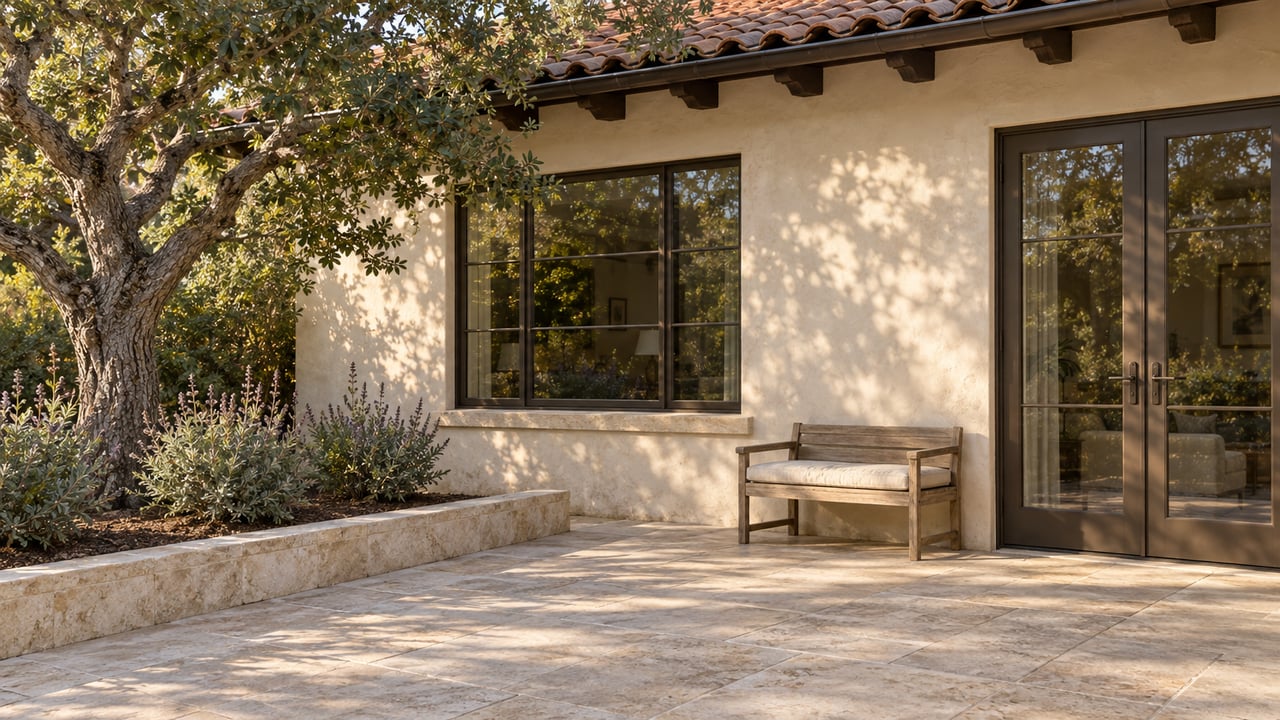
In Los Angeles, that is especially relevant because the city has a deep mix of architectural styles and older neighborhoods, from Spanish Colonial and Craftsman homes to Mid-Century, Tudor, and other historically significant forms.
Why buyers are drawn to historic homes in Los Angeles
Historic homes in Los Angeles often attract buyers for reasons that go well beyond function.
They offer:
- distinctive architecture
- original craftsmanship
- period details
- stronger visual identity
- neighborhood character
- emotional appeal that newer homes may lack
Many buyers are drawn to things like:
- original woodwork
- vintage fireplaces
- arched openings
- custom millwork
- plaster walls
- classic windows
- unique facades
- handmade details
These homes often showcase the best of a particular era and that much of their appeal lies in their beauty, design integrity, and historical charm.
In Los Angeles, that kind of authenticity can be especially valuable because buyers often want homes that feel unique rather than interchangeable.
The benefits of buying a historic home in Los Angeles
Character you cannot easily recreate
One of the biggest advantages of a historic home is that its design often feels memorable from the moment you walk in.
Historic homes frequently offer proportions, detailing, and craftsmanship that would be expensive to reproduce today. Buyers who care about architecture often see this as a major value driver, especially in Los Angeles neighborhoods where design identity is part of the appeal.
A stronger connection to place
Historic homes often help buyers feel connected to the city’s past in a way that newer construction cannot.
In Los Angeles, where many neighborhoods have layered architectural and cultural histories, a historic home can feel like ownership of something more meaningful than just a property. Your source draft is right to emphasize that these homes often carry stories and local significance that appeal to history-minded buyers and “old soul” homeowners.
Potential tax and preservation incentives
This is one area where buyers need to be precise.
Some historic properties may qualify for preservation-related incentives, but not all historic homes automatically come with financial benefits. In general, buyers need to research whether a property qualifies for any local or state programs, and whether those benefits come with obligations.
I encourage buyers to investigate all possible financial incentives, grants, abatements, or preservation-related programs before purchasing.
For many buyers, these incentives are not the primary reason to buy — but they can meaningfully improve the ownership equation.
Historic areas can support long-term desirability
Buyers are often willing to pay more for neighborhoods with architectural consistency and visual character.
Historic districts and preservation standards can help protect the surrounding environment from unattractive changes, which may support value retention and neighborhood appeal.
In Los Angeles, where streetscape, architecture, and identity matter to buyers, this can be a meaningful advantage.
The challenges buyers need to take seriously
Repairs can be expensive
One of the biggest realities of buying a historic home is that upkeep usually costs more.
Older roofs, aging plumbing, outdated electrical systems, original windows, plaster, and specialty materials can all require more money and more specialized labor than a standard home. Your original draft is exactly right that buyers need to be financially ready not just to buy the home, but to maintain and restore it properly.
If the property has not been carefully preserved, the repair burden can become significant quickly.
Structural and environmental issues may be present
Historic homes may come with:
- wood rot
- sloping floors
- settling
- moisture problems
- termites
- outdated wiring
- lead paint
- asbestos concerns
There is a need for qualified inspections by professionals experienced with older or historic homes.
For buyers, the key is not to panic at every issue. It is to understand which problems are manageable, which are expensive, and which should be deal-breakers.
Specialized contractors may be harder to find
Not every contractor is the right contractor for a historic property.
Historic homes often require specialists who understand restoration rather than simple replacement. A contractor who is great at modern remodels may not be the best fit for preserving original details or making sympathetic repairs.
This can affect both cost and project timing.
Your design flexibility may be limited
This is one of the biggest tradeoffs buyers need to accept.
If a home has historic significance or falls under local preservation-related oversight, certain changes may be restricted. That can affect:
- additions
- exterior materials
- windows
- shutters
- rooflines
- landscaping
- paint choices
- visible exterior modification
- This can be frustrating for buyers who already have a major redesign vision in mind. Historic home ownership often requires a willingness to work within the architectural character of the property instead of imposing something entirely new.
What Los Angeles buyers should think about before making an offer
Buying a historic home in Los Angeles should be treated differently than buying a standard resale home.
Before writing an offer, buyers should evaluate:
- whether the home has formal historic status
- what repairs are immediately needed
- what upgrades will be expensive or restricted
- what inspections should go beyond a standard home inspection
- whether the lifestyle truly fits the property
- whether the long-term maintenance budget is realistic
The right historic home can be an extraordinary purchase. But it works best for buyers who value what makes it special and are willing to live with the responsibilities that come with that value.
My advice to buyers considering a historic home
If you are thinking about buying a historic home in Los Angeles, do not just ask whether the home is beautiful.
Ask:
- Is the architecture truly worth preserving?
- What are the immediate repair costs?
- What are the likely long-term maintenance costs?
- Are there restrictions that affect my plans?
- Do I want the responsibility that comes with owning a historic property?
- Will this still feel like a smart purchase five or ten years from now?
That is how strong decisions are made.
Historic homes can absolutely be worth it. But they are best for buyers who are ready to own them intentionally, not casually.
Bottom line
Buying a historic home in Los Angeles can be a dream for the right buyer. These homes offer charm, craftsmanship, neighborhood identity, and a sense of permanence that many newer homes cannot match.
The beauty and romance of a historic home have to be weighed against the maintenance, repair costs, restrictions, and responsibilities that come with ownership.
For the right buyer, that tradeoff is well worth it. For the wrong buyer, it can quickly become overwhelming.
That is why the smartest move is not just to admire the history. It is to understand the full ownership picture before you buy.
FAQs
What is considered a historic home in Los Angeles?
A historic home is generally a property recognized for its age, architecture, cultural significance, or historical importance, rather than simply being an older house.
Are historic homes more expensive to maintain?
Often yes. Older systems, specialty materials, and restoration-sensitive work can make repairs and maintenance more expensive.
Can I renovate a historic home however I want?
Not always. Some properties may have restrictions on exterior changes, additions, materials, or design choices depending on designation and local rules.
Why do buyers like historic homes in Los Angeles?
Because they often offer distinctive architecture, character, craftsmanship, and a stronger sense of place than many newer homes.
Should I get a special inspection on a historic home?
Yes. Buyers should strongly consider inspections by professionals experienced in older or historic properties, especially for structural, environmental, and system-related concerns.