Days on Market Explained: How to Read the Market Like a Pro and Win Better Deals (2026 Expert Guide)
A Sherman Oaks real estate expert reveals how Days on Market impacts pricing, negotiation, and whether a home is a hidden opportunity or a red flag
If you’ve ever wondered why some homes sell instantly while others sit… you’re already asking the right question.
In real estate, one of the most powerful—and misunderstood—metrics is Days on Market (DOM).
After more than 23 years in the San Fernando Valley and over 450 closed transactions, I can tell you this:
👉 DOM is not just a number—it’s a signal.
And if you know how to read it correctly, it can give you a serious advantage as a buyer or seller.
I’m Mario Acosta, Chairman’s Circle agent (Top 1%-2% globally), and this is exactly how I help my clients decode DOM to make smarter, more profitable decisions in markets like Sherman Oaks and surrounding areas.
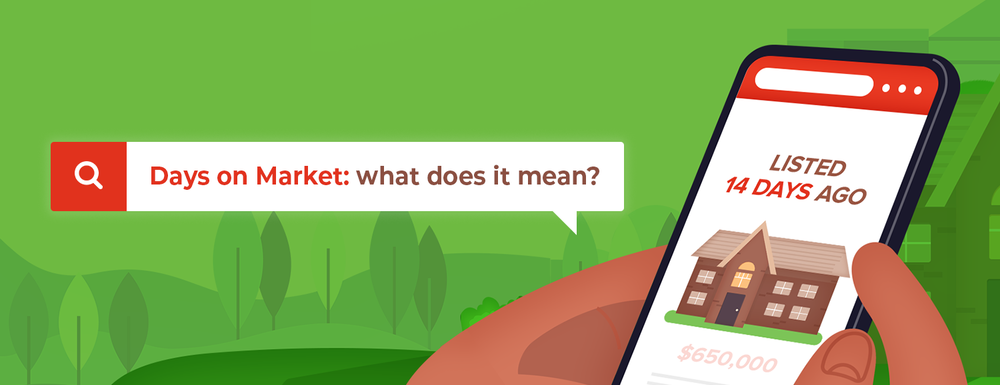
Quick Answer: What Is Days on Market (DOM)?
Days on Market (DOM) is the number of days a property has been actively listed on the MLS before going under contract.
It tells you:
- How fast homes are selling
- How competitive the market is
- Whether a property is “fresh” or potentially overlooked
💡 Expert Insight:
The first 7–14 days on market are when a home gets the most attention—and often the strongest offers.
Why Days on Market Matters More Than You Think
Think of a home like fresh bread.
When it first hits the market, it’s hot, exciting, and attracts the most buyers. But as days pass, interest cools—and buyers start asking questions.
In markets like Sherman Oaks, perception drives value. And DOM directly impacts that perception.

How Buyers Use DOM to Their Advantage
1️⃣ Finding Opportunities Others Miss
Many buyers filter searches by DOM to find homes that have been sitting longer.
Why?
Because higher DOM can signal:
- Price reductions coming
- Seller motivation
- Negotiation opportunity
💡 Strategy I use with clients:
We don’t just look at DOM—we investigate why the home hasn’t sold.
2️⃣ Understanding Market Heat
DOM is one of the clearest indicators of market conditions.
- 🔥 Low DOM = Seller’s market (high demand)
- ⚖️ Moderate DOM = Balanced market
- 🧊 High DOM = Buyer’s market (more leverage)
This helps determine how aggressive—or conservative—your offer should be.
What High Days on Market Really Means
Most buyers assume:
👉 “There must be something wrong with the house.”
Sometimes they’re right—but often, they’re not.
Common Reasons for High DOM:
- Overpricing
- Poor marketing or photography
- Lack of staging
- Limited showings
- Timing issues
💡 Expert Insight:
I’ve helped clients secure incredible deals on homes with high DOM that were simply mispositioned, not flawed.
High DOM = Negotiation Leverage
This is where experience matters.
A property that has been sitting:
- May have a more flexible seller
- May accept below asking price
- May offer credits or concessions
My approach:
I analyze:
- Seller motivation
- Price history
- Comparable sales
- Showing activity
Then structure an offer that maximizes value.
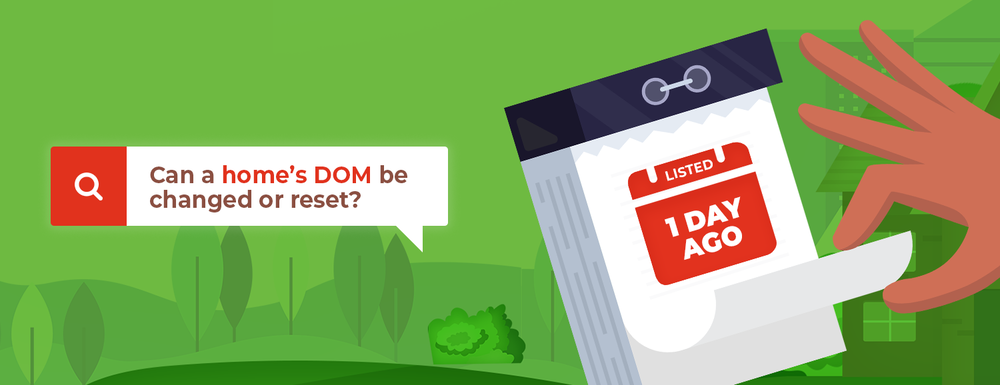
Can Days on Market Be Manipulated?
Yes—and this is something most buyers don’t realize.
DOM can reset when:
- A home is relisted
- A new agent takes over
- The listing is temporarily removed
However:
👉 Cumulative Days on Market (CDOM) tracks the true time a home has been for sale.
💡 Pro Insight:
I always pull full listing history for my clients so they know exactly what’s happening behind the scenes.
How Sellers Should Use DOM Strategically
If you’re selling, DOM is critical.
What I tell my sellers:
- The first 2 weeks are everything
- Pricing must be precise from day one
- Presentation and marketing must be dialed in
Because once a home goes “stale,” it becomes harder to generate strong offers.
How I Use DOM to Give My Clients an Edge
Most agents look at DOM.
I break it down.
For Buyers:
- Identify hidden opportunities
- Avoid overpriced listings
- Negotiate strategically
For Sellers:
- Price correctly from launch
- Create urgency
- Avoid stagnation
Because in real estate, timing + positioning = results.
Frequently Asked Questions
What is a good Days on Market?
Typically 7–30 days in a balanced market. Lower indicates strong demand.
Is high DOM bad?
Not always. It can indicate opportunity—but requires deeper analysis.
Can DOM reset?
Yes, but CDOM reveals the true listing history.
Should I avoid homes with high DOM?
No—some of the best deals come from these properties when evaluated correctly.
Final Takeaway
Days on Market is one of the most powerful indicators in real estate—but only if you know how to interpret it.
After 23+ years in markets like Sherman Oaks, I can tell you:
The smartest buyers don’t chase the newest listings—
they understand the story behind the listing.
Work With a Local Market Expert
If you’re buying or selling, I’ll help you:
- Decode market signals like DOM
- Identify opportunities others miss
- Structure winning offers
- Position your home to sell fast and for top dollar
Mario Acosta
Top Realtor | 23+ Years Experience
450+ Homes Sold | San Fernando Valley Specialist